
Products Introduction

Content Introduction
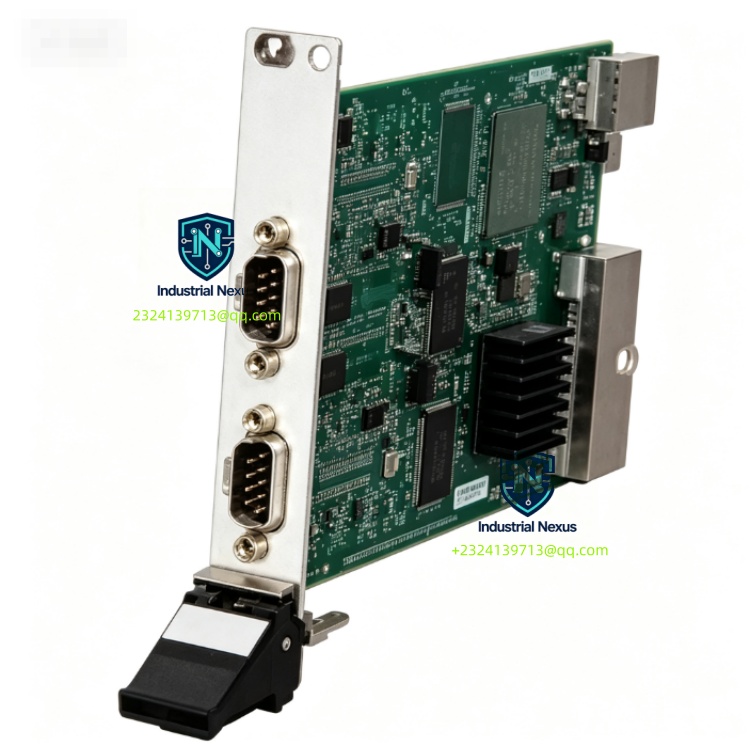
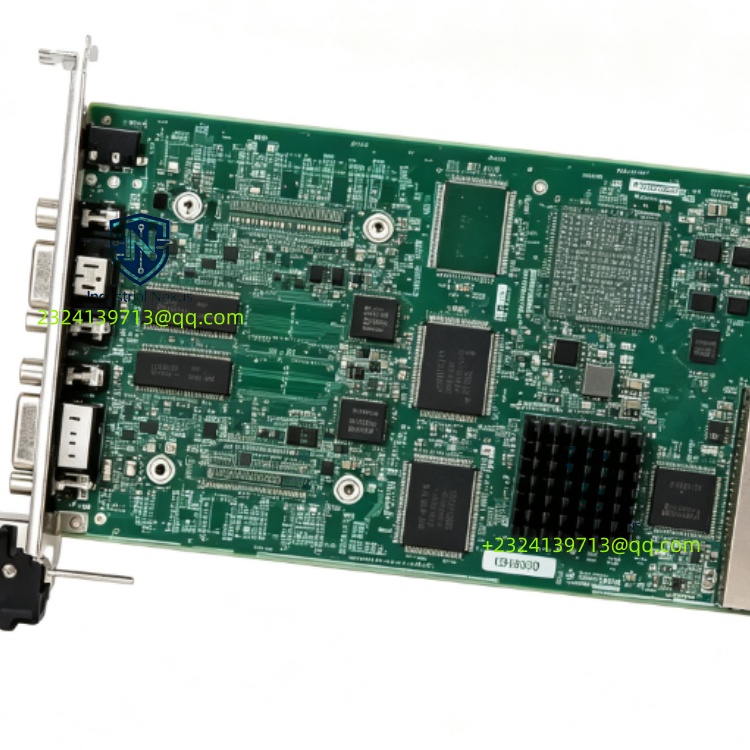
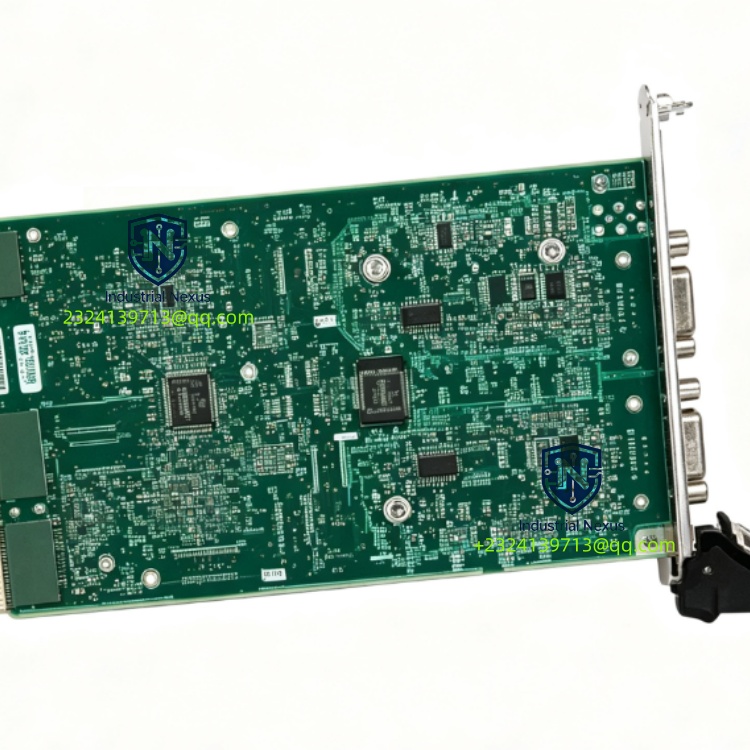
The NI PXI-8512 is an NI-XNET high-speed CAN FD communication interface module offered in 1-port and 2-port variants, designed for PXI and CompactPCI automated test and simulation systems. It complies with CAN 2.0A, CAN 2.0B and CAN FD standards based on ISO 11898-2 high-speed CAN physical layer. This module is widely deployed in automotive ECU hardware-in-the-loop simulation, powertrain network testing, rapid control prototyping, CAN bus logging and diagnostic verification, as well as spare replacement for existing NI-XNET automotive test platforms.

Product Details
The NI PXI-8512 adopts NI-XNET dedicated hardware DMA transmission architecture, which independently processes CAN frame reception and transmission without frequent host CPU interrupts. This design effectively reduces communication latency and ensures stable real-time performance when processing large volumes of CAN signals and frames simultaneously, which is critical for high-precision HIL simulation and closed-loop control test tasks. It supports standard CAN and CAN FD, allowing users to take advantage of longer payload data length and flexible bit rate switching for modern automotive networks.
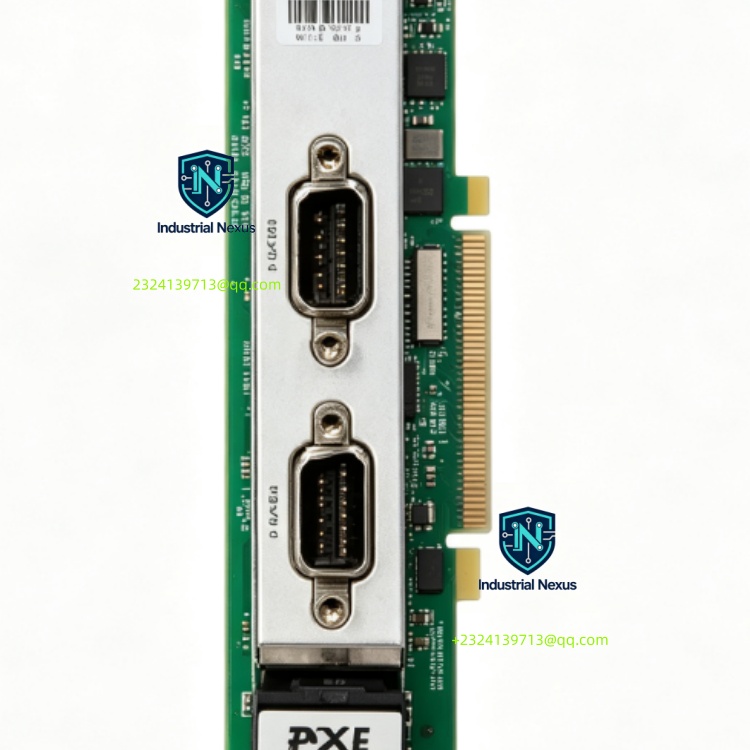
It supports multiple operating modes including bus monitoring, frame streaming, signal I/O and diagnostic communication. It can synchronize with other PXI instruments such as oscilloscopes, DMMs and switching modules via the PXI trigger bus and RTSI trigger lines, achieving unified timing alignment for multi-instrument test systems. The module uses standard DB-9 connectors following CiA pin definition, compatible with regular CAN cables and bus terminators for convenient wiring and debugging.
It works with the NI-XNET driver and can be programmed through LabVIEW, LabVIEW Real-Time, TestStand and NI-XNET API. It supports both Windows and real-time operating systems, making it suitable for bench development and continuous batch production testing. Equipped with robust NXP transceivers, it provides overvoltage protection on CAN_H and CAN_L lines to defend against transient voltage spikes on the bus. As a mainstream active CAN FD interface, it is commonly selected for new automotive test station construction and hardware upgrade projects.

Product Parameters
Communication Standard: CAN 2.0A, CAN 2.0B, CAN FD, ISO 11898-2 high-speed CAN
Port Options: 1-channel, 2-channel versions
Maximum Baud Rate: 1 Mbit/s (arbitration phase), up to 8 Mbit/s data phase for CAN FD
Transmission Engine: Hardware DMA, low latency
Supported Modes: Bus monitor, frame simulation, signal I/O, CAN diagnostic
Synchronization: PXI trigger bus, RTSI trigger
Transceiver: NXP TJA1041 / TJA1043
Bus Voltage Protection: -27 VDC to +40 VDC on CAN_H / CAN_L
Connector Type: DB-9 (CiA standard pinout)
Form Factor: 3U PXI single slot
Power Supply: Powered from PXI backplane
Operating Temperature: 0 ℃ to 55 ℃
Storage Temperature: -20 ℃ to 70 ℃
Operating Humidity: 10% to 90% non-condensing
Supported Driver: NI-XNET
Supported Software: LabVIEW, LabVIEW Real-Time, TestStand, NI MAX, NI-XNET API
Compatible Systems: PXI, CompactPCI chassis

Tags: NI PXI-8512 CAN FD PXI interface module NI-XNET high speed CAN card automotive CAN bus simulation module
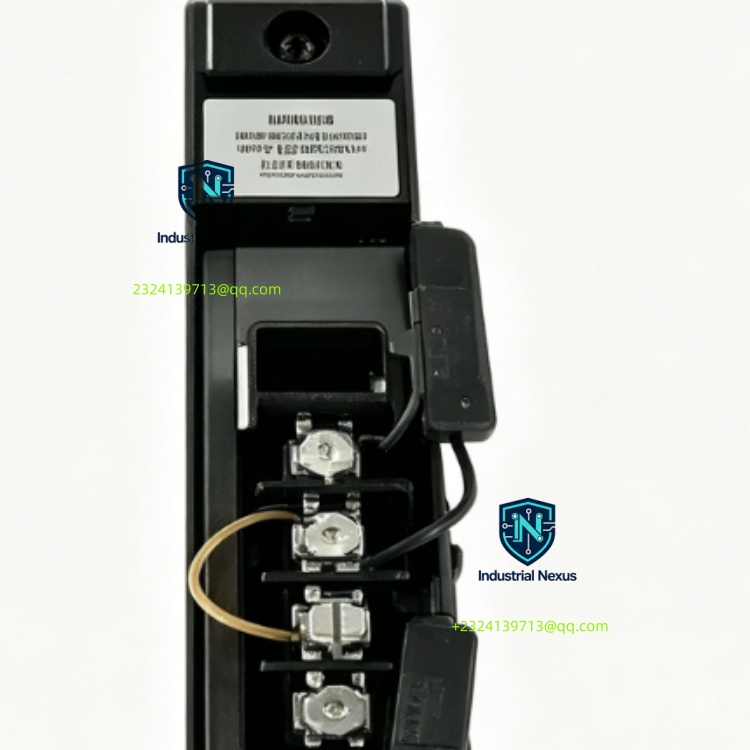
Reliance Electric 57412 AutoMa
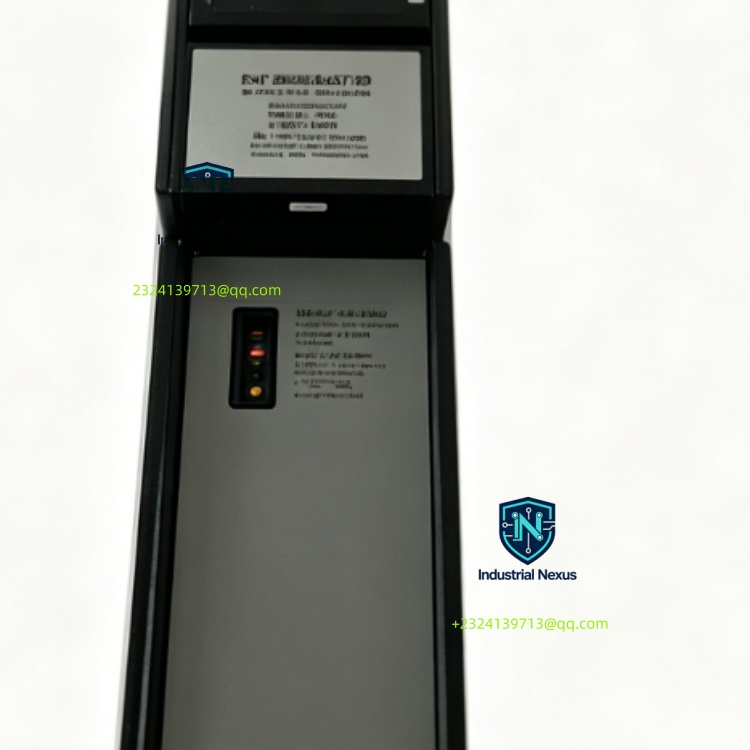
Reliance Electric 57411 Resolv
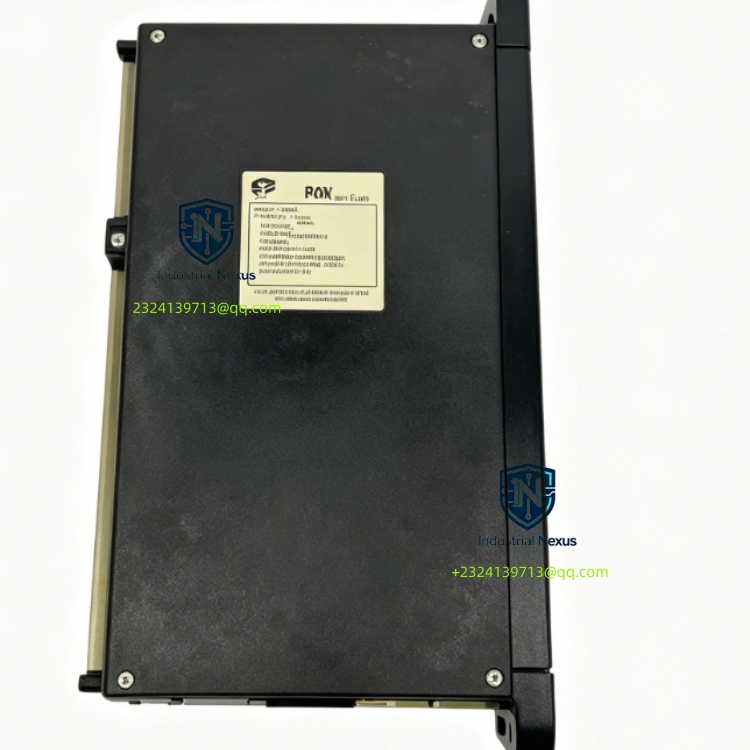
Reliance Electric 57410 Analog
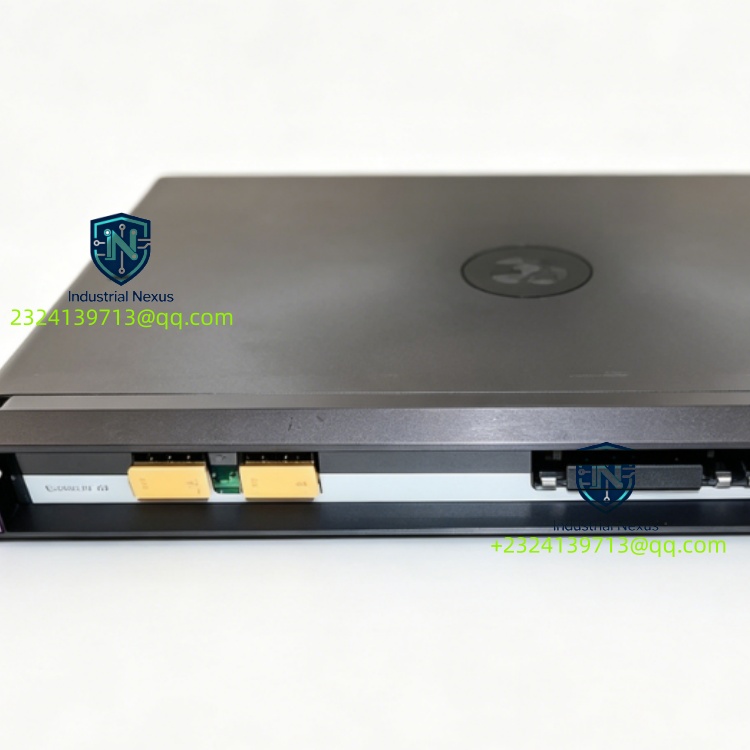
Reliance Electric 57407 AutoMa